Renting in Singapore: what you can actually change
28 August 2026 · Formscape Studio, Design team
Tenancy agreements here are stricter than many expats expect, but far more is possible than a coat of paint.
Most Singapore tenancy agreements say alterations need the landlord's written consent. In practice landlords approve far more than tenants assume, provided the request is specific, reversible where possible, and professionally documented. A one-page proposal with drawings and a reinstatement note is usually enough.
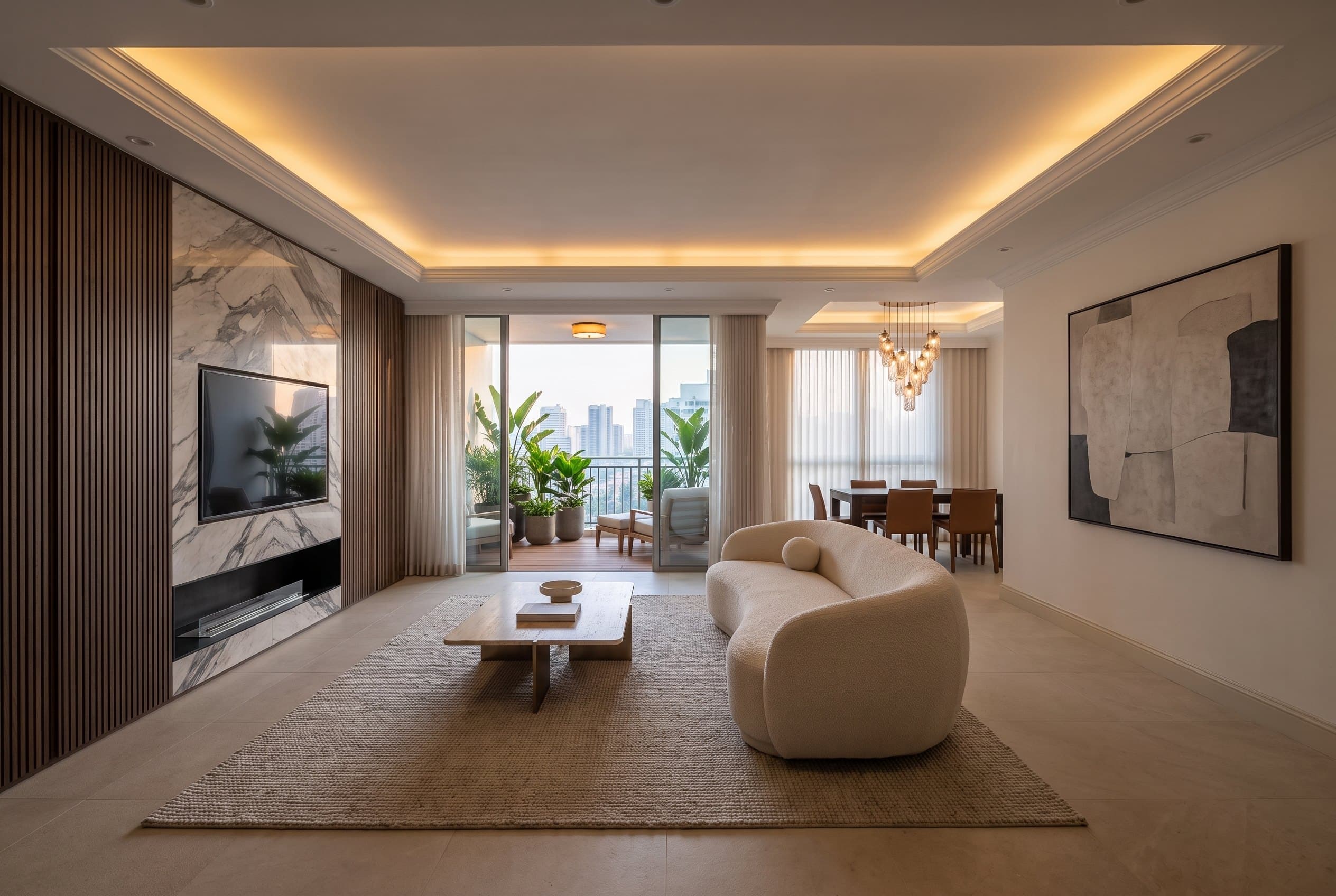
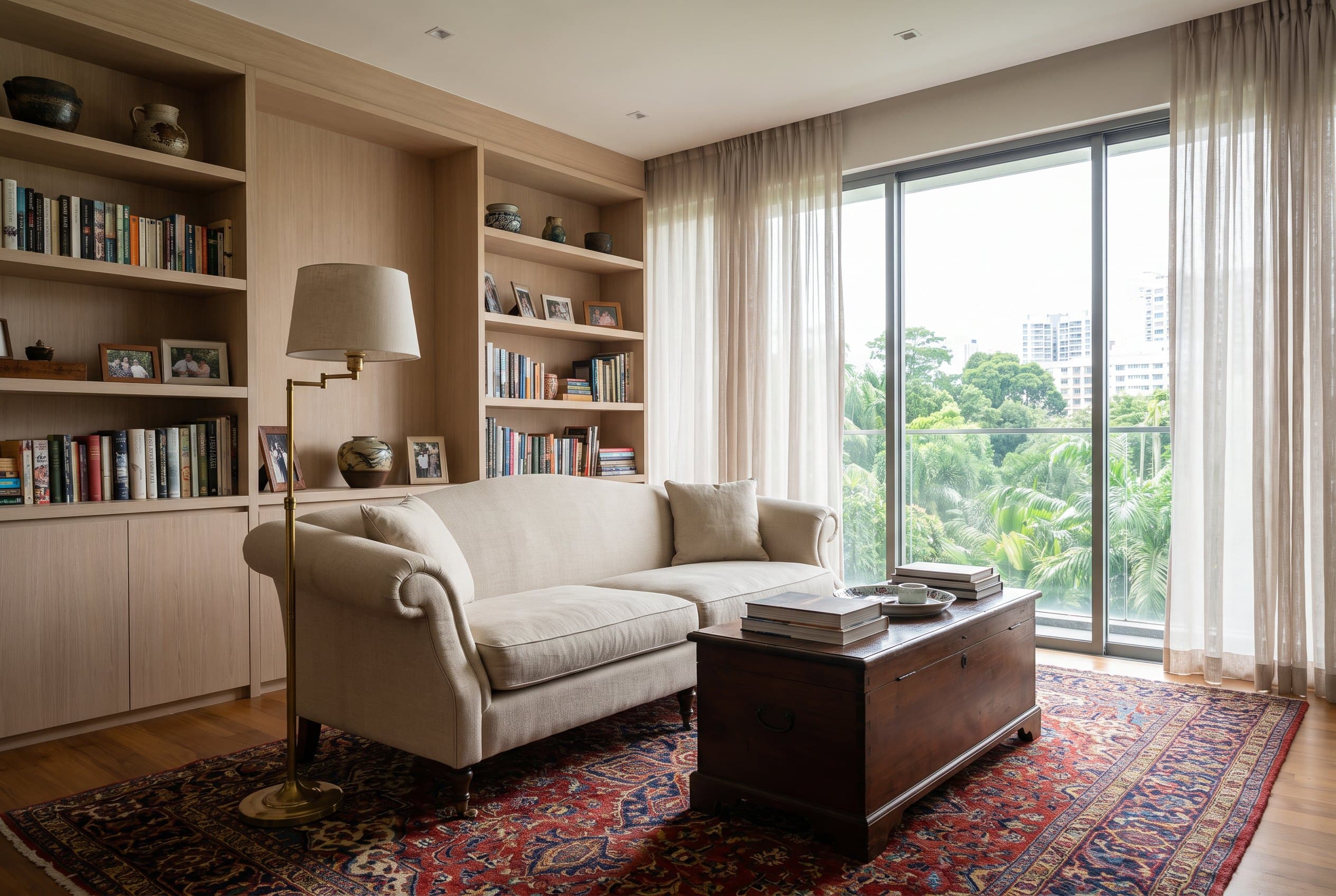
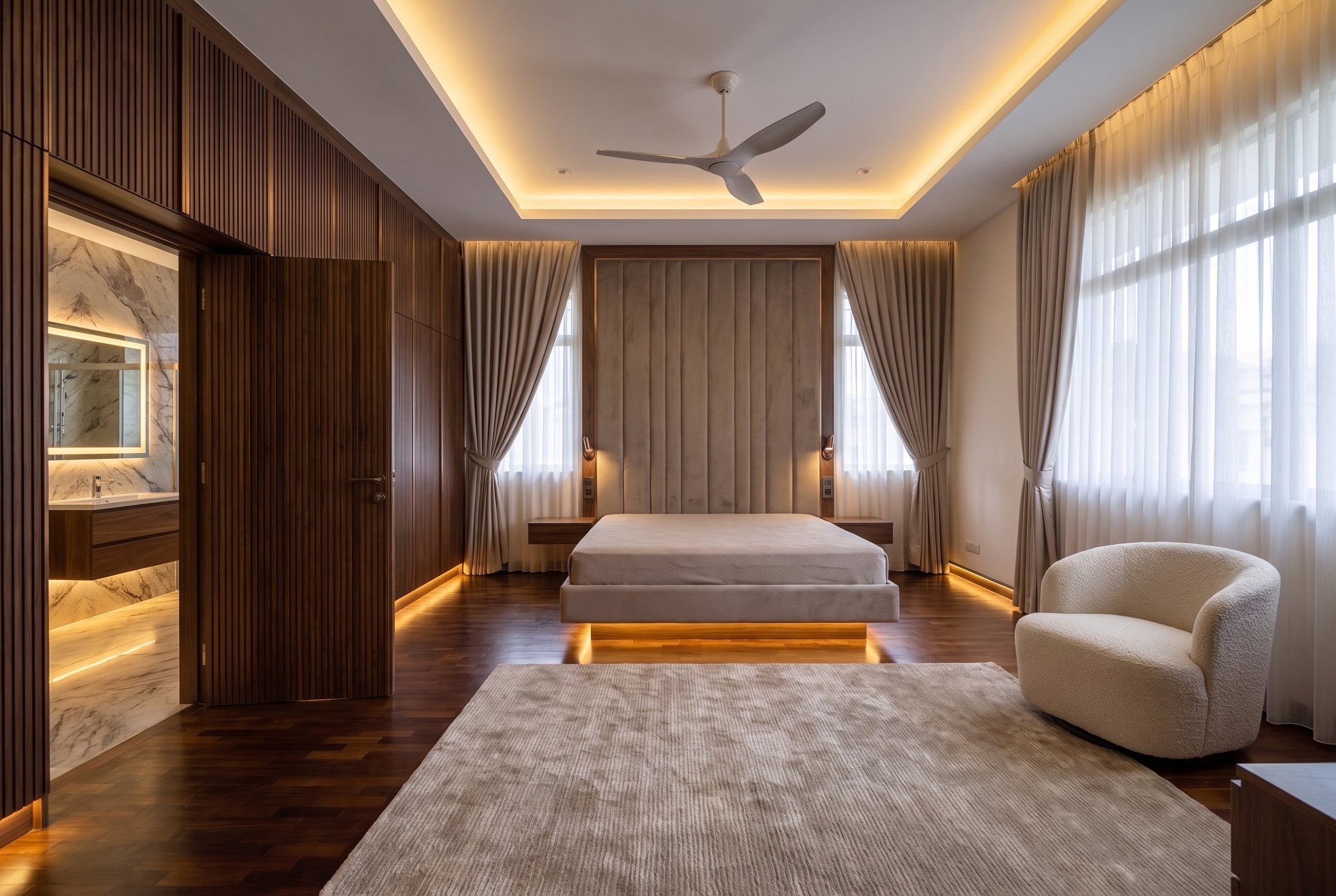
Reversible work rarely needs more than a courtesy note: lighting on existing points, paint in agreed colours, window treatments on existing tracks, freestanding joinery and rugs. Semi-permanent work such as new light points, built-in wardrobes or a replacement kitchen benefits the landlord and is often approved when you agree who keeps it at the end.
Wet works, hacking walls and changing the flooring are where consent, condominium management approval and sometimes authority permits come in. These are still done in rented homes every week; they simply need to be planned into the timeline and the reinstatement clause discussed up front.
Formscape Studio
Design team